Why Delaying Gum Disease Treatment Can Be Dangerous
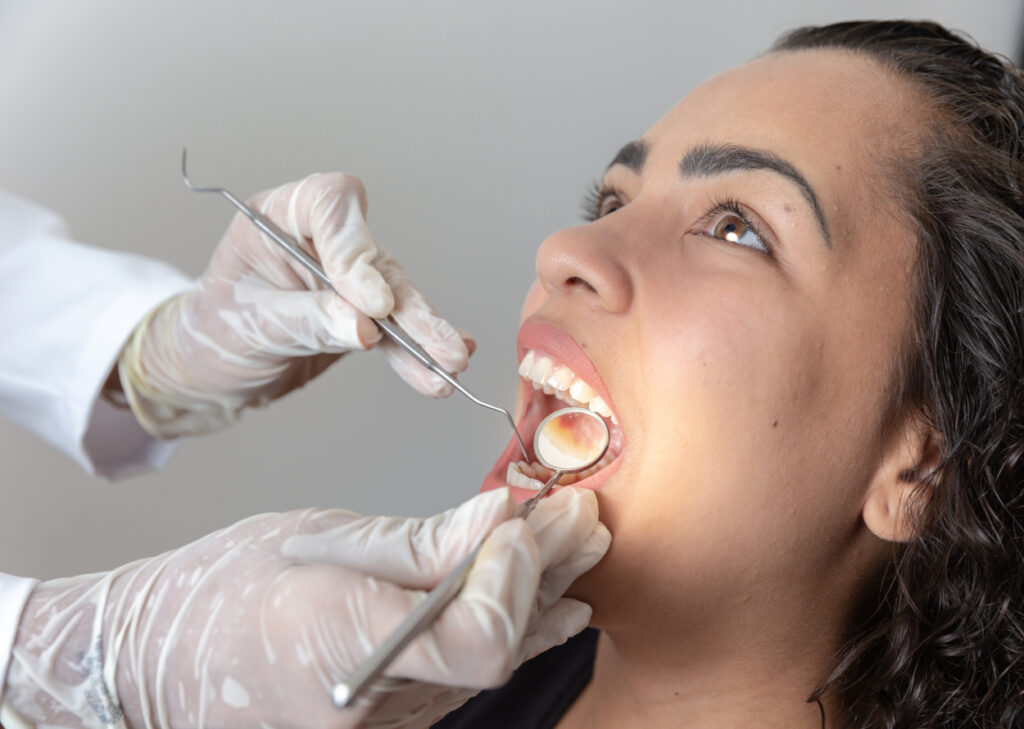


Most people do not ignore gum problems because they are careless. They delay care because the early signs seem small. A little bleeding while brushing. Tenderness around one back tooth. Breath that seems off some mornings. Mild swelling that settles down after a few days. It is easy to treat these as annoyances rather than warnings.
That is exactly what makes gum disease so risky. In its early stages, it often does not hurt much. Patients are often surprised to hear that significant damage can develop quietly, over months or years, before pain becomes obvious. By the time the problem forces attention, the infection may already have moved beyond simple gum irritation and into the structures that support the teeth.
When people hear the term Gum Disease Treatment, they sometimes imagine an optional deep cleaning that can wait until life gets less busy. In practice, the timing matters. Delaying treatment can mean a bigger infection, more tissue loss, more expensive care, and in some cases, permanent damage that cannot be reversed.
What gum disease actually is
Gum disease begins with plaque, a sticky film of bacteria that forms on teeth every day. If plaque is not removed well enough through brushing, flossing, and regular professional cleanings, it can harden into tartar. Once tartar forms, it creates a rough surface that encourages even more bacterial buildup near and under the gumline.
The earliest stage is gingivitis. At this point, the gums may look redder than usual, bleed when brushed, or feel puffy. The key fact about gingivitis is that it is generally reversible. With professional cleaning and improved home care, many patients can restore gum health without lasting damage.
Periodontitis is different. In this stage, the infection has moved deeper. The body’s inflammatory response, combined with the activity of harmful bacteria, begins to break down the ligament and bone that hold teeth in place. That is where delay becomes dangerous. Lost bone does not simply grow back on its own because a patient starts brushing better next month.
This progression is not always dramatic. It can be slow and uneven. One area may stay stable while another worsens. A person may think, “It only bleeds in one spot,” while a dentist sees early pocketing and tissue loss in several areas. Gum disease rarely follows the neat timeline people expect.
The trap of waiting for pain
One of the biggest misconceptions in dentistry is that serious oral problems always hurt early. Cavities sometimes do. Gum disease often does not.
Healthy gums fit snugly around the teeth. As disease advances, spaces called periodontal pockets can form between the tooth and gum. Bacteria settle into those pockets. The tissues become chronically inflamed. Bone can begin to recede. Yet many people still report only mild symptoms, or none that feel urgent.
I have heard versions of the same story countless times in clinical settings. A patient notices blood in the sink for six months, maybe longer. They switch toothpaste, rinse with mouthwash, and promise themselves they will book an appointment after a busy work period, after the holidays, after a child’s school schedule settles down. Then a tooth starts feeling loose, or the gums become sore enough to interfere with chewing, and suddenly the issue no longer seems minor.
Pain https://devinisgs216.tearosediner.net/gum-disease-treatment-for-loose-teeth-and-bone-loss usually appears later, when the disease is more advanced or when an abscess develops. Waiting for pain as a signal is like waiting for smoke to pour out from under a car hood before checking the engine. The absence of severe discomfort does not mean the absence of damage.
What happens below the gumline when treatment is postponed
The danger of delay comes from what bacteria and inflammation do over time. The mouth contains a complex bacterial ecosystem. When harmful species dominate around the gumline, they do not just sit there harmlessly. They trigger an immune response that can become destructive.
At first, the body is trying to defend itself. But chronic inflammation is blunt and messy. It can damage the connective tissue that anchors the gums and stimulate the breakdown of alveolar bone, the bone surrounding the tooth roots. Once those supporting structures are compromised, teeth become less stable.
This process can lead to deeper pockets, more tartar accumulation below the surface, gum recession, sensitivity, and shifting teeth. The longer the infection remains active, the harder it can be to control. Treatment that might have been limited to a routine cleaning and better home care can evolve into scaling and root planing, localized antibiotic therapy, more frequent maintenance visits, or periodontal surgery.
The practical difference is not trivial. Early treatment is usually simpler, less invasive, and less expensive. Late treatment often becomes a long management process.
Tooth loss is not the first danger, but it is a very real one
When patients think about worst-case scenarios, they usually jump straight to losing teeth. That outcome does happen, but it is worth understanding the steps that come before it.
Teeth are held in place by bone, connective fibers, and healthy gum tissue. As periodontitis advances, that support weakens. A tooth may begin to feel different before it feels loose. Biting pressure may shift. Food may pack between teeth that never trapped food before. Front teeth may start to fan outward slightly. A patient may think an old filling has changed their bite, when the real issue is movement caused by periodontal breakdown.
By the time a tooth is visibly mobile, the disease is often advanced. Saving that tooth may still be possible, but the odds depend on how much support remains, whether the patient can control plaque effectively, whether they smoke, whether diabetes is well managed, and whether the tooth has other problems such as fractures or deep decay.
Losing one tooth also tends to create a chain reaction. Neighboring teeth can drift. Opposing teeth can over-erupt. Chewing patterns change. Replacement with a bridge, denture, or implant becomes another decision, another expense, and another layer of care. And if bone loss is severe, implant placement may require grafting or may not be ideal at all.
The effect on daily life often arrives before a crisis
Not every consequence of delayed Gum Disease Treatment is dramatic enough to send someone to urgent care. Much of the harm shows up in quieter ways that still affect quality of life.
Bad breath is a common example. Persistent halitosis from gum infection is not a cosmetic nuisance alone. It often reflects bacterial activity below the gumline that ordinary brushing and mouthwash cannot reach. Bleeding gums can make people brush less aggressively because they assume they are injuring themselves, which allows even more plaque to remain. Tender gums can make patients avoid certain foods, especially crunchy fruits, salads, seeded bread, or anything that catches in inflamed areas.
Over time, people adapt without realizing it. They chew on one side. They smile with their lips closed because recession has made the teeth look longer. They stop flossing areas that bleed because it feels unpleasant. None of these adaptations solves the problem. They simply make the disease easier to live with while it gets worse.
There is a broader health picture, and it deserves respect
Dentists should be careful not to overstate the link between gum disease and systemic illness, but it is equally important not to dismiss it. Periodontal disease is a chronic inflammatory condition, and the mouth is not separate from the rest of the body.
Research has shown associations between periodontal disease and conditions such as diabetes, cardiovascular disease, and adverse pregnancy outcomes. Association does not mean every case of gum disease directly causes these problems. The relationship is complex and often runs both ways. Poorly controlled diabetes, for instance, can make gum disease worse, and gum inflammation can make blood sugar management more difficult.
What matters in real life is that chronic oral infection adds stress to the body. For patients who already have underlying medical issues, leaving gum disease untreated is rarely a neutral choice. It may complicate management of other conditions or contribute to an overall inflammatory burden that a physician and dentist would both rather reduce.
A practical example comes up often with diabetes. A patient can be diligent with medications and diet but still struggle with stable blood sugar while significant periodontal inflammation is present. Once the gum infection is treated and maintenance improves, some patients notice that medical management becomes more predictable. It is not magic, and it does not replace medical care, but the connection is meaningful.
Why “just watch it” is usually poor strategy
There are limited situations where a dentist may monitor mild gum inflammation for a short period after improving home care. That is not the same as postponing treatment indefinitely.
If gums are bleeding and there is measurable tartar or pocketing, simply watching the condition tends to favor the disease, not the patient. Bacteria continue to mature in the biofilm. Calculus remains attached. Tissue breakdown can continue even if the mouth looks only a little irritated from the outside.
People often hope a change in toothpaste will solve the problem. Therapeutic rinses and better brushing techniques can help, but they do not remove hardened deposits beneath the gumline. Once tartar is established, professional care is necessary. No amount of brushing can scrub off calculus bonded to the root surface.
This is where judgment matters. Not every patient with gum inflammation needs surgery. Not every deep pocket means a tooth is doomed. But almost every case benefits from timely professional evaluation, clear diagnosis, and an honest treatment plan rather than delay built on wishful thinking.
Who tends to progress faster
Gum disease does not affect every patient equally. Some people can accumulate plaque and still develop only mild inflammation for a long time. Others lose supporting bone surprisingly quickly. Clinicians look for risk factors because they shape both urgency and prognosis.
The following situations often increase risk or speed progression:
- Smoking or vaping nicotine regularly
- Diabetes, especially when blood sugar is poorly controlled
- A history of inconsistent cleanings and home care
- Dry mouth from medications or medical conditions
- Genetic susceptibility or a family history of early tooth loss
These do not guarantee severe disease, but they lower the margin for delay. A smoker with bleeding gums and early pocketing is not in the same risk category as a healthy young patient with transient gingivitis after a month of poor brushing during exams or travel.
The cost of postponement usually rises in stages
People often delay treatment because they are worried about money. That concern is real, and it deserves empathy rather than judgment. Dental care can be expensive, insurance coverage is uneven, and many families are balancing competing priorities.
Still, the economics of delay are usually unforgiving. A modest preventive visit can turn into periodontal therapy. That can turn into repeated maintenance appointments. If teeth become compromised, costs expand further into extractions, grafting, temporary replacements, bridges, dentures, or implants. Time away from work, disrupted eating, and emergency visits add hidden costs that do not show up on the treatment estimate.
There is also a psychological cost. Patients who put off treatment for years often carry a lot of shame by the time they come in. They expect scolding. They assume the damage is beyond repair. In reality, dental teams see this every day. What helps most is not guilt. It is acting before the next six months become the next six years.
What treatment may involve, depending on timing
Early Gum Disease Treatment can be remarkably straightforward. In mild gingivitis, a professional cleaning, improved brushing and flossing technique, and short-term follow-up may be enough to restore healthy tissue.
Once the disease progresses to periodontitis, treatment becomes more involved. Scaling and root planing is commonly used to remove plaque and tartar from below the gumline and smooth the root surfaces so tissue can heal more effectively. In some cases, antimicrobial rinses or localized antibiotics are added. Periodontal maintenance visits are then scheduled more frequently than standard cleanings, often every three to four months, because patients with a history of periodontitis need closer monitoring.
When pockets remain deep or anatomy makes cleaning difficult, surgery may be recommended. That can sound alarming, but periodontal procedures vary widely. Some are focused on better access for cleaning. Others address regenerative goals in selected defects. The important point is that later treatment is usually more complex because the disease has had more time to destroy support.
A simple way to think about it is this:
| Stage at time of diagnosis | Typical findings | Usual level of treatment | | --- | --- | --- | | Gingivitis | Bleeding, redness, swelling, no significant attachment loss | Professional cleaning, home care improvement, review | | Mild to moderate periodontitis | Pocketing, tartar below gums, some bone loss | Scaling and root planing, maintenance, sometimes adjunctive therapy | | Advanced periodontitis | Deep pockets, recession, mobility, significant bone loss | Intensive periodontal care, possible surgery, long-term management, possible extractions |
That table is simplified, but the trend is consistent. Delay moves care from prevention toward salvage.
Signs that should not be brushed off
A lot of people are unsure whether what they are noticing is urgent enough to justify an appointment. While only an exam can confirm what is happening, some symptoms deserve prompt attention because they are common markers of gum disease progression.
- Bleeding during brushing or flossing that persists for more than a week or two
- Gums that look swollen, shiny, or noticeably red
- Persistent bad breath or a bad taste that keeps returning
- Gum recession, teeth that look longer, or increasing sensitivity near the roots
- Teeth that feel loose, shifted, or different when biting
Even if one of these turns out to be mild irritation rather than periodontitis, it is worth knowing rather than guessing.
Treatment works best when the patient and clinician both do their part
One truth about periodontal care is that there is no purely passive fix. Even excellent in-office treatment cannot overcome consistently poor plaque control at home. On the other hand, good home care alone cannot reverse established tartar or deep infection beneath the gumline. Success depends on partnership.
The patients who do best are not the ones with perfect teeth or perfect habits. They are the ones who respond early, ask clear questions, and stay engaged after treatment begins. They come back for maintenance. They mention that one area still bleeds. They bring up difficulty flossing around a crown or bridge so adjustments can be made. They understand that gum health is not restored in one dramatic appointment and forgotten.
This matters because periodontal disease is often managed, not “cured” in a once-and-done sense. If a patient has lost some bone support, the goal becomes controlling infection, preventing further loss, and maintaining function for as long as possible. That is a very worthwhile goal. Many patients keep their teeth for years or decades with proper maintenance after diagnosis. But that window narrows when care is delayed too long.
The safest time to act is earlier than feels necessary
People tend to seek help when a problem feels serious enough. Gum disease does not respect that instinct. It advances in the gap between what feels urgent and what is actually harmful.
If your gums bleed regularly, if your breath has changed, if your teeth feel different, or if it has been years since your last periodontal evaluation, waiting is a gamble with poor odds. Early intervention usually means simpler treatment, better comfort, lower cost, and a stronger chance of keeping the supporting structures that teeth need.
Healthy gums are easy to take for granted because they are quiet. Diseased gums can stay quiet longer than they should. That silence is not reassurance. It is the reason prompt attention matters.
Avra Dental
Address: 1708 S Victoria Ave B, Ventura, CA 93003
Phone number: +18057653206
FAQ About Gum Disease Treatment
Can I make my gums healthy again?
Yes, you can make early-stage gum disease completely healthy again, but advanced damage requires professional care to manage.
Can you cure gum disease?
You can cure early-stage gum disease, but advanced gum disease cannot be fully cured.
Can I live a normal life with gum disease?
Yes, you can live a normal life with gum disease, but it requires active, lifelong management to control the condition and prevent serious complications