How Gum Disease Treatment Can Save Your Smile

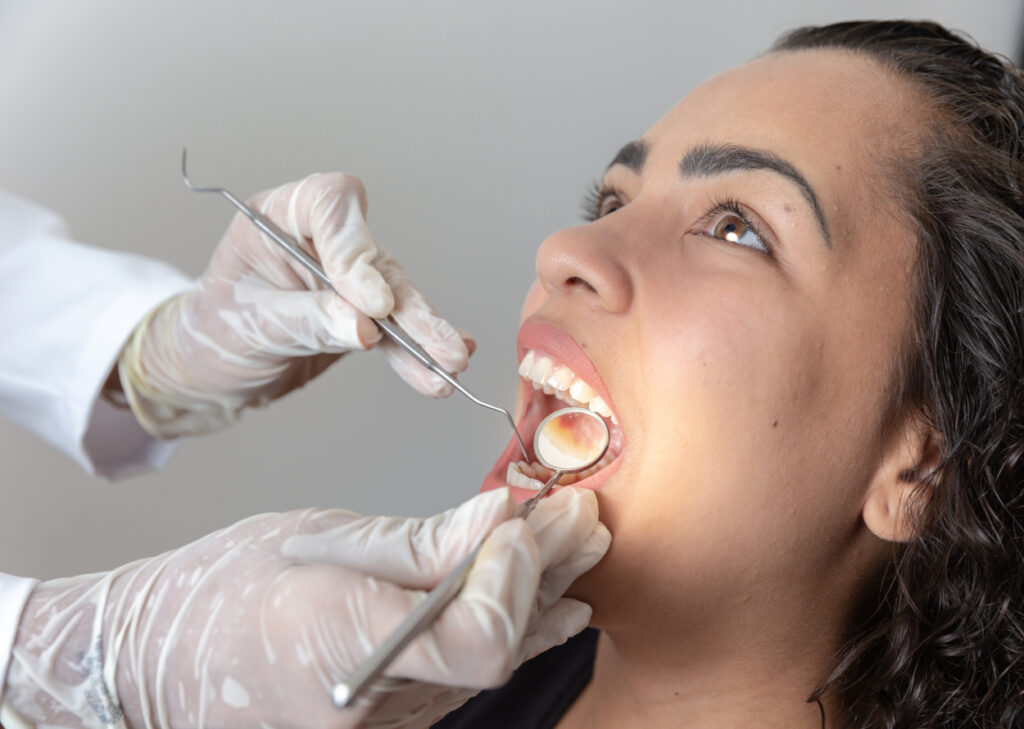
A healthy smile rests on tissue most people barely think about until something goes wrong. Teeth get the attention. Gums do the hard support work in the background. When they become inflamed or infected, the damage can creep along quietly for months or years. By the time pain appears, the problem is often advanced.
That is why Gum Disease Treatment matters so much. It is not just about freshening breath or calming sore gums. Done at the right time, it can stop bone loss, preserve teeth, improve comfort, and protect the appearance of your smile. In many cases, it can also spare patients from more invasive treatment later, when repair becomes costlier and results become less predictable.
Dentists see a familiar pattern. A patient comes in saying, “My teeth are fine, but my gums bleed when I floss.” Or, “I thought I brushed too hard.” Sometimes they have noticed bad breath that does not go away. Sometimes a front tooth has started to look longer, or a small gap has opened where there was none before. Those signs are easy to dismiss. They should not be.
What gum disease actually does
Gum disease usually begins as gingivitis, which is inflammation of the gums caused by plaque buildup along the gumline. In this stage, gums may look puffy, red, or shiny instead of firm and pink. They may bleed when brushing or flossing. The good news is that gingivitis is reversible. Once plaque and tartar are removed and home care improves, the tissue can often return to health.
The more serious stage is periodontitis. Here, the problem goes beyond surface irritation. Bacteria and the body’s own inflammatory response begin to damage the fibers and bone that anchor teeth in place. Pockets form between the gums and teeth. These spaces trap even more bacteria, making the cycle harder to break without professional care.
That progression matters because teeth do not loosen overnight. Many people assume tooth loss comes from cavities alone. In practice, untreated periodontal disease is one of the leading reasons adults lose teeth. A tooth may be structurally intact and still become vulnerable because its support system has been eroded.
There is also an aesthetic side to this that patients feel immediately. As gums recede, teeth can appear longer and more uneven. Dark spaces may develop between teeth, especially in the front, where even minor tissue loss becomes visible. The smile starts to change shape. Once bone and gum tissue are lost, bringing them back is much harder than protecting what is still there.
The signs people tend to ignore
Early gum disease often slips past people because it is not dramatic. It does not always cause sharp pain. Many patients are surprised to learn that bleeding gums are not normal, even if they have dealt with it for years. Persistent bleeding is one of the clearest warning signs the tissue is inflamed.
A few symptoms deserve prompt attention because they often point to periodontal problems already underway:
- Bleeding when brushing, flossing, or eating firm foods
- Gums that look swollen, tender, or darker red than usual
- Chronic bad breath or a persistent bad taste
- Receding gums or teeth that appear longer
- Loose teeth, shifting teeth, or changes in how the bite fits
When several of these show up together, the issue is rarely “just sensitive gums.” It usually means bacteria have been sitting undisturbed below the gumline long enough to trigger tissue breakdown.
One detail patients often mention is that one area seems worse than the rest. That is common. Gum disease does not always affect the mouth evenly. A person may have deep pockets around a few molars while front teeth remain fairly stable. Crowded teeth, old dental work, grinding, smoking, and inconsistent cleaning can all create local trouble spots.
Why treatment can save, not just clean, your smile
The phrase “deep cleaning” can sound cosmetic or optional. It is neither when gum disease is present. Professional Gum Disease Treatment is designed to interrupt an active disease process. The goal is to reduce bacterial load, allow inflamed tissue to heal, and prevent further destruction of bone and attachment.
Saving a smile can mean different things depending on the patient. For one person, it means preventing the loss of a lower front tooth that has started to wobble. For another, it means controlling inflammation before crown work or implants are planned. For someone else, it means preserving the gumline so their smile still looks natural in photos five years from now.
Timing makes a real difference. Treating periodontal disease early usually leads to simpler care and better long-term stability. When treatment is delayed, pockets often deepen, recession worsens, and teeth may migrate. That can change the shape of the smile and sometimes create bite problems that invite chipping or wear.
There is also the comfort factor. Inflamed gums can feel tender, raw, and unpredictable. Patients sometimes adapt by avoiding flossing or chewing on one side, which lets the disease continue unchecked. Once the infection is treated and the tissue settles down, eating and brushing are often much easier.
What Gum Disease Treatment usually involves
There is no single treatment that fits every case. The right approach depends on pocket depth, bleeding, tartar buildup, bone loss, medical history, smoking status, and how well a person can maintain the area at home. A thorough exam, gum measurements, and X-rays usually guide the plan.
In mild cases, a professional cleaning paired with improved home care may be enough. If disease has progressed below the gumline, scaling and root planing is commonly recommended. This treatment removes plaque, tartar, and bacterial toxins from tooth roots below the gumline. It also smooths root surfaces so gums can reattach more effectively and new deposits are less likely to stick.
Patients often ask whether this is https://maps.app.goo.gl/ChfJKu9PFXzaNGje8 painful. In most offices, local anesthetic is used for comfort, especially if deeper pockets are involved. Afterward, gums may feel sore for a day or two, and teeth may feel temporarily more sensitive, particularly to cold. That sensitivity usually settles as inflammation decreases and tissue begins to tighten around the teeth.
Some cases also call for antimicrobial rinses, localized antibiotics, or prescription products. These can help, but they are adjuncts, not substitutes for mechanical removal of buildup. If deep pockets remain after non-surgical treatment, periodontal surgery may be considered. That can involve flap procedures to access deeper deposits, reshaping damaged bone, or grafting tissue to address recession in selected areas.
A patient with advanced periodontitis may need staged care. First comes infection control, then reevaluation, then maintenance, and only after stability is established should cosmetic or restorative work move forward. This sequence matters. Placing beautiful crowns on teeth surrounded by active periodontal disease is like painting over wood rot. It may look fine briefly, but the foundation is still failing.
The quiet link between gums and appearance
Most people understand that swollen, bleeding gums are unhealthy. Fewer realize how strongly the gums shape the smile’s overall appearance. Gums frame the teeth. Their contour, height, and symmetry affect whether teeth look proportionate and natural. Even subtle recession around one canine or central incisor can draw the eye more than a slightly crooked tooth.
When Gum Disease Treatment is done before major recession or bone loss occurs, the smile often retains a more balanced look. Healthy gums hug the teeth more cleanly. Puffiness subsides. Redness fades. Breath improves. Teeth can even appear brighter because the surrounding tissue no longer looks inflamed.
There is a practical cosmetic angle here as well. If someone is considering whitening, veneers, bonding, or orthodontics, gum health should come first. Inflamed or unstable gums can distort the outcome. Orthodontic movement, for example, is safer and more predictable in a periodontally healthy mouth. Veneers may look less natural if the gum margins are uneven. Even whitening can feel miserable if exposed roots are already sensitive.
One of the more frustrating scenarios in practice is the patient who invests in visible improvements while ignoring the supporting tissues. It is understandable. People notice the front surfaces of teeth first. But durable esthetics depend on biology, not just polish.
When home care helps, and when it is not enough
Good brushing and flossing are essential, but once tartar hardens below the gumline, home care alone cannot remove it. That is a point worth making clearly, because many people blame themselves after hearing they need periodontal treatment. The reality is more nuanced.
Some patients brush diligently and still develop gum disease because of anatomy, crowding, old fillings with rough edges, dry mouth, genetic susceptibility, or smoking. Others have periods of good and bad oral hygiene tied to stress, pregnancy, illness, travel, or depression. Teeth do not need perfect care every day to stay healthy, but they do need consistent disruption of plaque over time.
At home, technique usually matters more than force. Aggressive scrubbing does not “clean deeper.” It can irritate gums and wear the teeth near the gumline. The better approach is thorough but gentle brushing twice a day with a soft brush, daily cleaning between teeth, and keeping follow-up visits on schedule.
Patients often improve dramatically once they understand where the disease starts: not on the tops of teeth, but along and just under the gumline, especially between teeth and around back molars. Small changes in angle and consistency can have outsized effects.
What recovery and maintenance really look like
Periodontal treatment is rarely a one-time fix. It is better understood as disease control followed by maintenance. After initial therapy, the gums are reevaluated. Some pockets shrink nicely and remain stable. Others improve but still need closer monitoring. A few may require surgical care to keep the teeth long-term.
This is where expectations need to be honest. Treatment can stop or slow disease, but it cannot always reverse every structural change. If bone has already been lost, the aim may be stability rather than full regeneration. If recession has occurred, tissue grafting may help selected sites, though not every area is a good candidate. Success is often measured in reduced bleeding, shallower pockets, firmer tissue, and teeth that remain functional and comfortable over time.
Maintenance visits are a core part of that success. Many periodontal patients do better on a three- or four-month recall interval rather than the standard six months. That is not upselling. It reflects how quickly harmful bacteria can repopulate in susceptible mouths. Missing maintenance gives the disease room to restart, often before the patient notices any change.
A realistic maintenance routine usually includes the following:
- Professional periodontal maintenance at intervals recommended for your risk level
- Daily brushing with a soft-bristled brush and careful gumline technique
- Interdental cleaning suited to your spacing, such as floss, picks, or interdental brushes
- Tobacco cessation, if relevant, because smoking dramatically worsens healing and disease progression
- Prompt review if bleeding, swelling, or tooth mobility returns
The patients who keep their teeth longest are rarely the ones with perfect mouths. They are the ones who stay engaged, return for care, and address setbacks early.
The role of age, smoking, and health conditions
Gum disease is not just a problem of old age. It becomes more common over time, but younger adults can develop significant periodontal damage, especially if smoking, diabetes, or family history are in the picture. I have seen patients in their thirties with more bone loss than their parents had in their sixties.
Smoking is one of the clearest risk factors. It changes blood flow, impairs healing, and can mask bleeding, which means disease may look less inflamed while becoming more destructive underneath. Smokers often think their gums are doing fine because they do not bleed much. Clinically, that can be misleading.
Diabetes also has a two-way relationship with periodontal health. Poor blood sugar control can worsen gum disease, and active periodontal inflammation can make diabetes harder to manage. Pregnancy, certain medications, immune conditions, dry mouth, and chronic stress can add complexity as well. These do not doom a person to tooth loss, but they do make prevention and maintenance more important.
For older adults, gum disease can combine with recession, root exposure, and worn dental work. That may create a mixed picture where cavities, sensitivity, and periodontal concerns all overlap. Treatment planning in these cases requires judgment. Sometimes the priority is aggressive periodontal therapy. Sometimes it is stabilizing the disease enough to preserve function and comfort without pursuing every possible procedure.
Why delaying care tends to cost more
Patients sometimes postpone treatment because the tooth does not hurt, money is tight, or the recommendation feels abstract. That hesitation is understandable. But delaying Gum Disease Treatment often turns a controllable issue into a far more expensive one.
A moderate periodontal problem may initially be managed non-surgically. Leave it long enough, and surgery may be needed. Leave it longer, and the tooth may become hopeless. Replacing a lost tooth with an implant, bridge, or partial denture usually costs far more, takes longer, and may still not feel quite like the natural tooth that could have been saved.
There are indirect costs too. Shifting teeth can affect chewing and appearance. Recession can increase sensitivity. Chronic inflammation can complicate restorative work. If front teeth drift apart because supporting bone has been lost, the repair may involve periodontal care, orthodontics, and cosmetic dentistry, not just one appointment.
Most dentists would rather help a patient keep what they have than rebuild what was lost. Biologically, preserving natural support is almost always the simpler path.
Questions worth asking before treatment starts
Patients make better decisions when they understand the severity of the problem and the goals of treatment. A useful conversation with the dental team should cover how deep the pockets are, whether bone loss is visible on X-rays, which areas are most affected, what improvement is realistic, and how often maintenance will likely be needed.
It is also fair to ask what happens if treatment is delayed, what alternatives exist, and whether referral to a periodontist makes sense. Complex cases, especially those involving advanced bone loss, gum grafting, or surgical management, may benefit from specialist care. Good dentistry is not about guarding territory. It is about matching the case to the right level of expertise.
Patients should leave that conversation understanding whether the aim is reversal of gingivitis, control of periodontitis, preservation of at-risk teeth, preparation for future restorative care, or some combination of these.
Saving your smile often starts with one small clue
Many smiles are saved not by dramatic emergency treatment, but by paying attention to an early clue. A little blood in the sink. A comment from a hygienist that pocket depths have changed. A back tooth that traps food more than it used to. A front tooth that suddenly looks longer in photos.
Those details are easy to minimize. They are also often the first signs that the foundation of the smile needs help.
Gum Disease Treatment works best when it is timely, specific, and followed by steady maintenance. It can stop active damage, preserve bone, improve appearance, and help patients keep their natural teeth far longer than they thought possible. That is not cosmetic window dressing. It is preventive medicine with visible results.
A smile does not depend on enamel alone. It depends on the health of the tissue holding every tooth in place. Protect that support, and you give your smile its best chance to last.
Avra Dental
Address: 1708 S Victoria Ave B, Ventura, CA 93003
Phone number: +18057653206
FAQ About Gum Disease Treatment
Can I make my gums healthy again?
Yes, you can make early-stage gum disease completely healthy again, but advanced damage requires professional care to manage.
Can you cure gum disease?
You can cure early-stage gum disease, but advanced gum disease cannot be fully cured.
Can I live a normal life with gum disease?
Yes, you can live a normal life with gum disease, but it requires active, lifelong management to control the condition and prevent serious complications