Gum Disease Treatment for Patients With Dental Anxiety
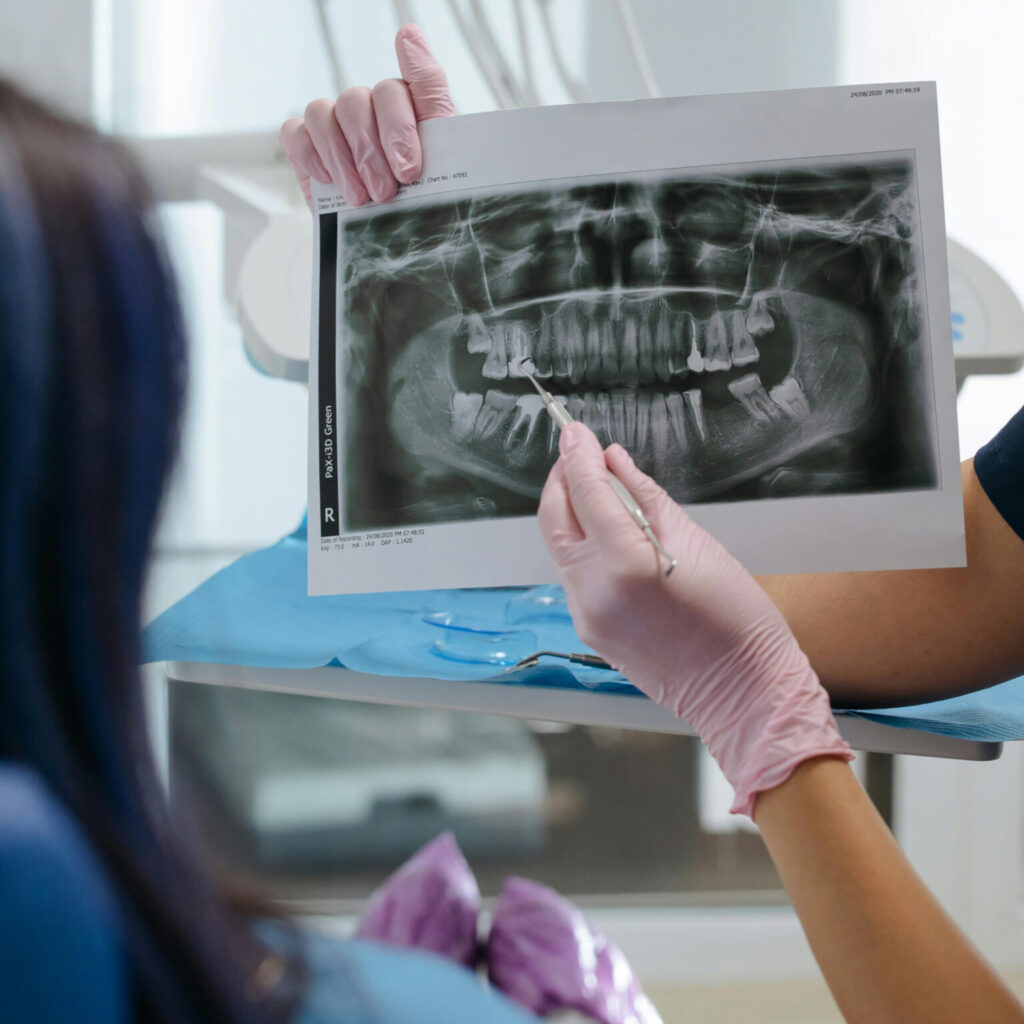

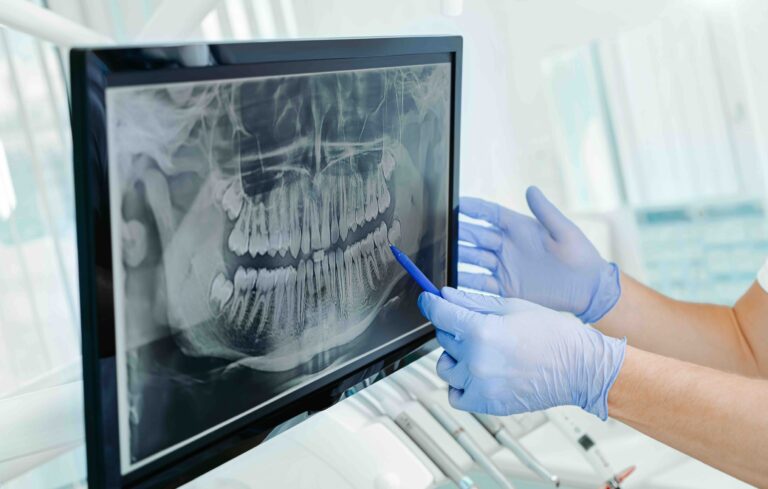
For patients with dental anxiety, gum disease can become a quiet, self-reinforcing problem. The gums bleed a little during brushing, there is tenderness around the back teeth, breath changes, and a cleaning that should have happened six months ago turns into a delayed visit two years later. By then, what started as mild gingivitis may have moved deeper, affecting the tissues and bone that hold the teeth in place.
That pattern is common in real practice. Anxiety does not make someone careless or indifferent. More often, it makes ordinary dental care feel disproportionately hard. A person may know exactly what needs attention and still cancel appointments, put off phone calls, or avoid treatment discussions because the anticipation feels overwhelming. When gum disease is part of the picture, that delay matters. Periodontal problems rarely improve on their own, and they tend to advance in ways that are not always painful until damage is already established.
The good news is that Gum Disease Treatment can be adapted for anxious patients without compromising care. In fact, some of the best outcomes come from slowing the process down, explaining it clearly, and matching treatment to a person’s tolerance, medical history, and stage of disease. There is no single formula. What works for a patient with a strong gag reflex and fear of instruments may be different from what works for someone whose anxiety comes from a past traumatic dental experience. The treatment still targets infection and inflammation, but the way it is delivered can be gentler, more predictable, and far more manageable than many patients expect.
Why dental anxiety changes the treatment conversation
Dentistry often focuses on disease first, symptoms second. Anxiety changes that order. If a patient cannot comfortably get into the chair, hear the plan, or tolerate a routine exam, the clinical diagnosis is only part of the challenge. The emotional load becomes part of the treatment plan.
Patients with dental anxiety usually fear one or more very specific things: loss of control, pain, needles, choking sensations, shame about the condition of their mouth, or the sound and vibration of instruments. Some have not had a negative procedure at all. They just have a nervous system that reacts intensely to dental settings. Others can trace the fear to one bad visit years ago, often in childhood, and their body still responds as if that threat is present.
Gum disease treatment can trigger many of those fears because it involves close work around sensitive tissues. Patients often imagine deep scraping, heavy bleeding, or long appointments with little chance to rest. That image is rarely accurate, but it feels real enough to keep people away. A thoughtful dental team addresses that fear directly instead of dismissing it. Saying “you’ll be fine” almost never helps. Saying “here is exactly what we will do, here is how we keep you numb, and here is how you can pause us at any point” often does.
What gum disease actually is, and why it deserves prompt attention
At the simplest level, gum disease starts with bacterial plaque that remains along the gumline and around teeth. If it is not removed effectively, the gums become inflamed. That early stage is gingivitis. The gums may look redder, feel puffy, and bleed during brushing or flossing. Gingivitis is often reversible with professional cleaning and improved home care.
Periodontitis is different. Once inflammation leads to breakdown of the attachment between gum and tooth, pockets can form below the gumline. Bacteria then collect deeper where a toothbrush cannot reach. Over time, bone loss may occur. Teeth can loosen, spaces can shift, and biting pressure may feel different. Some patients have surprisingly little pain despite advanced disease. That is one reason delayed care is so risky. The absence of severe pain does not mean the problem is minor.
Certain factors can make progression faster or treatment more complex. Smoking is a major one. Diabetes, especially if blood sugar is not well controlled, can also worsen periodontal inflammation and healing. Dry mouth, some medications, grinding, immune conditions, and hormonal shifts can all influence the picture. Anxiety intersects with these risks because avoidance tends to reduce preventive visits and allows small changes to become larger ones.
The signs anxious patients often explain away
Many patients normalize early symptoms for years. They switch to softer foods on one side, avoid flossing because it “always makes me bleed,” or assume bad breath is coming from the stomach when the gums are actually the source. Those explanations are understandable, but they delay diagnosis.
Common warning signs include:
- Bleeding during brushing or flossing
- Persistent bad breath or a bad taste in the mouth
- Swollen, tender, or receding gums
- Teeth that feel loose or seem to be shifting
- Sensitivity when chewing or exposed root surfaces
That list is useful, but symptoms alone never tell the whole story. Some patients with deep periodontal pockets report almost nothing except occasional bleeding. Others have significant tenderness with only moderate disease. A proper diagnosis usually requires a periodontal exam, measurements around the teeth, and often dental X rays to assess bone levels.
The first appointment should not feel like a test
One of the most helpful shifts for anxious patients is reframing the first visit. It does not need to be a “prove you can handle treatment” appointment. It can be a diagnostic and planning visit with a pace that respects the patient’s limits.
A well-run first appointment usually begins with conversation, not instruments. The clinician should ask what specifically triggers anxiety, whether the patient has fainted before, whether numbing has been difficult in the past, whether there is trauma history, and whether the patient prefers detailed explanation or only brief updates during care. Those details matter. Someone with panic symptoms may benefit from shorter appointments and a stop signal. Someone who fears surprise sensations may do better with constant narration of what is happening.
The periodontal exam itself is usually brief, though not always emotionally easy. The dentist or hygienist checks the gums, measures pocket depths, notes bleeding points, evaluates plaque and tartar buildup, and reviews imaging. If the inflammation is severe, the gums may be sensitive during probing. That sensitivity can often be reduced by going slowly and using topical anesthetic in selected areas. Even this small adjustment can change the experience dramatically.
When patients feel embarrassed about how long they have delayed care, the tone of the room matters. Shame tends to shut communication down. Practical, matter-of-fact language works better. Gum disease is common. Avoidance is common. What matters now is what stage the disease is in and what approach will stabilize it.
How Gum Disease Treatment is usually carried out
The treatment plan depends on whether the patient has gingivitis, early periodontitis, moderate periodontitis, or advanced disease. For gingivitis, a thorough professional cleaning combined with improved brushing and interdental cleaning may be enough. For periodontitis, the standard first line is often non-surgical periodontal therapy, commonly called scaling and root planing. This involves carefully removing plaque, tartar, and bacterial deposits from above and below the gumline and smoothing the root surfaces so the gums can heal and reattach as much as possible.
For an anxious patient, the phrase “deep cleaning” can sound intimidating. The reality is more measured. The mouth is often treated in sections rather than all at once. Local anesthetic can keep the area numb. Hand instruments and ultrasonic devices may both be used, depending on the amount and location of buildup. Some patients prefer the efficiency of ultrasonic cleaning because it shortens treatment time. Others dislike the sound or water spray and do better with more hand instrumentation. There is no universal best method. Comfort and effectiveness have to be balanced.
After treatment, tenderness for a day or two is common, especially if the gums were very inflamed to begin with. Teeth can feel a little more sensitive because tartar that had been covering root surfaces is gone and the swollen tissue has begun to shrink. This does not mean something went wrong. It usually means the gums are beginning to respond.
If pockets remain deep after initial therapy, the next step may involve a periodontist, a dentist who specializes in the supporting structures of the teeth. Sometimes local antibiotic therapy is placed into persistent pockets. In more advanced cases, periodontal surgery may be recommended to reduce pocket depths, improve access for cleaning, or regenerate lost support where possible. These decisions should not be rushed. An anxious patient benefits from understanding what is urgent, what can be staged, and what can be monitored after the initial phase.
Making treatment tolerable when fear is the main obstacle
This is where experience matters. Clinicians who work well with anxious patients do not simply offer sedation and move on. Sedation can be helpful, sometimes very helpful, but it is only one tool. The larger goal is creating predictability and control.
A short pre-treatment planning conversation can change everything. The patient and clinician may agree on a hand signal that stops treatment immediately. Music or noise-canceling headphones may reduce sound sensitivity. A neck pillow can lessen muscular tension. Some people need the chair raised more slowly because the fully reclined position triggers panic. Others do best with the suction tip explained and positioned carefully because they fear water pooling in the throat. These are small details, but in practice they often determine whether a patient completes treatment or never returns.
Numbing deserves special attention because many anxious patients are more afraid of the injection than of the cleaning itself. Topical anesthetic, slower injection technique, distraction, and clear warning before pressure sensations can make local anesthesia much easier. Patients who have had trouble getting numb in the past should say so early. Inflamed tissue can be harder to anesthetize, and some areas of the mouth routinely need a different approach. There is usually a workaround, but the team needs that history upfront.
Sedation options vary by practice and patient suitability. Nitrous oxide can take the edge off for mild to moderate anxiety and wears off quickly. Oral sedation may help patients who become distressed well before the appointment starts. For severe anxiety, IV sedation may be appropriate in selected settings with proper monitoring. Sedation is not risk free and is not suitable for everyone, especially without a careful review of medical conditions, medications, and escort requirements. Still, when used appropriately, it can allow essential periodontal care to happen before disease progresses further.
What happens after treatment matters just as much
The uncomfortable truth about periodontal care is that the procedure itself is only part of success. Gum disease is a chronic infection with behavioral and biological components. If a patient disappears after treatment because the visit was too stressful or because home care feels confusing, the benefits can fade.
Follow-up visits are usually needed to remeasure pockets, assess bleeding, and determine how well the tissues responded. Improvement may be seen within weeks, but the full picture takes time. A reduction in inflammation often leads to less bleeding, firmer gum tissue, and shallower pockets in some areas. Sites that remain deep may need closer monitoring or specialist input.
Maintenance intervals are often shorter than the standard six-month cleaning schedule. Many periodontal patients are asked to return every three or four months, at least initially. That recommendation is not a sales tactic when properly indicated. It reflects how quickly harmful bacteria can repopulate below the gumline in susceptible patients. For someone with dental anxiety, those shorter intervals can feel discouraging. Yet they often make visits easier because less buildup accumulates and appointments become more predictable.
Home care should be realistic, not idealized. Telling an anxious patient to suddenly perform a perfect ten-minute routine twice a day is rarely effective. It is better to build a sustainable routine and improve it gradually. If traditional flossing triggers bleeding fear or is too difficult between crowded teeth, interdental brushes or a water flosser may be more acceptable. If brushing is aggressive because the patient thinks harder is cleaner, a powered brush with a pressure sensor can protect already inflamed gums.
The role of trust, especially when the patient has had a bad experience before
When a patient says, “I had a terrible experience years ago,” the actual memory may involve pain, but just as often it involves not being listened to. They raised a hand and the treatment did not stop. They said they were not numb and were told to wait it out. They felt embarrassed about the condition of their mouth and sensed judgment in the room. Those experiences can stay vivid for decades.
Trust is rebuilt through consistency. The clinician explains what will happen, then does exactly that. If the patient asks for a pause, the pause happens immediately. If the plan changes, the reason is explained in plain language. If there are trade-offs, they are stated honestly. For example, breaking Gum Disease Treatment into shorter appointments may reduce anxiety and improve cooperation, but it may also mean more visits overall. Using sedation may make treatment possible, but it can add cost and require transportation and recovery time. Patients usually cope well with these realities when they are discussed plainly.
A good dental team also knows when not to push. There are days when the right move is to stop after the exam, let the patient regroup, and schedule treatment with a revised strategy. That is not failure. It is often what prevents complete avoidance.
Practical ways patients can prepare for a periodontal appointment
Preparation does not eliminate anxiety, but it lowers the chance of feeling ambushed by the experience. The most useful strategies are simple and concrete:
- Book the appointment at a time of day when you are usually calmest, often early morning.
- Tell the office about your anxiety before the visit, not only when you arrive.
- Avoid excess caffeine beforehand if it worsens shakiness or panic.
- Agree on a stop signal and ask what comfort options are available.
- Bring a trusted person if the office allows it and if their presence helps you stay regulated.
Those steps sound modest, yet they often improve treatment tolerance more than patients expect. I have seen patients move from repeated cancellations to completed periodontal therapy simply because they switched from late afternoon visits, when stress had built all day, to the first appointment of the morning and had a clear communication plan in place.
Questions patients should feel comfortable asking
Patients with anxiety sometimes worry that asking too many questions will make them seem difficult. In reality, better questions usually lead to smoother care. It is reasonable to ask how many areas need treatment, whether local anesthetic will be used, how long the appointment is expected to last, what sensations are normal, what alternatives exist if anxiety spikes, and what the next steps will be if pocket depths do not improve.
It is also reasonable to ask how the office handles anxious patients specifically. Some practices are excellent technically but not especially flexible in communication style. Others have built systems around comfort, pacing, and trauma-informed care. Neither model is automatically right for every patient, but the fit matters. A practice that routinely works with fearful adults may be a better environment for someone who has avoided care for years.
When delay becomes more harmful than the treatment itself
There is a point where postponement carries greater physical and emotional cost than the procedure being avoided. With progressive periodontitis, delaying care can mean more bone loss, deeper pockets, more tooth mobility, more complex treatment, and higher long-term expense. It can also make future visits harder emotionally because the patient expects bad news each time and dreads being told the situation has worsened.
What often surprises anxious patients is that treatment, once started with the right support, is usually less traumatic than the anticipation. The waiting period before the appointment tends to be worse than the appointment itself. Afterward, many patients describe relief more than anything else. Bleeding decreases. Breath improves. The gums feel less sore. They https://www.google.com/maps?cid=18093465857196756038 stop worrying every time they notice blood in the sink.
That relief has practical value. When the first successful visit happens, the patient’s fear memory begins to change. The dental chair is no longer linked only to dread or helplessness. It becomes associated with being listened to, getting through something difficult, and seeing measurable improvement. For periodontal health, that shift may be the difference between ongoing stability and a cycle of repeated crisis care.
A calmer path is possible
Gum disease should be taken seriously, but it should not be treated as a moral failure or a test of courage. For patients with dental anxiety, the real task is twofold: control the infection and create conditions in which care can actually happen. That means accurate diagnosis, sensible staging of treatment, effective anesthesia, strong communication, and follow-up that supports rather than overwhelms.
Most importantly, anxious patients do not need to wait until they feel fearless. Fear rarely disappears before action. It usually softens after a respectful first step, whether that is a consultation, a limited exam, or a single treated area with a clear stop signal in place. Periodontal disease responds best when addressed early, but even patients who have delayed for a long time often have more options than they assume.
The right Gum Disease Treatment plan is not only about instruments, pocket depths, or radiographs. It is also about pacing, trust, and the clinician’s judgment in adapting good dentistry to a nervous human being. When that combination is present, even patients who have avoided care for years can move forward safely and successfully.
Dental Group Of Beverly Hills
Address: 8641 Wilshire Blvd #125, Beverly Hills, CA 90211
Phone number: +13109296335
FAQ About Gum Disease Treatment
How to improve gum health quickly?
To improve gum health quickly, eliminate plaque buildup by brushing for two full minutes twice a day at a 45-degree angle to the gumline. Floss daily to clean under the gumline, and rinse with an antimicrobial, alcohol-free mouthwash. For immediate relief of soreness, use a warm saltwater rinse.
What is the fastest way to cure gum disease?
To quickly cure early-stage gum disease (gingivitis), eliminate the plaque buildup causing the inflammation. Brush gently but thoroughly for two minutes twice daily, floss daily, and use an antibacterial mouthwash or a warm saltwater rinse. However, if tartar has hardened, professional treatment is necessary.
How do I treat my gum disease at home?
You can treat early gum disease at home by practicing strict daily oral hygiene, rinsing with salt water or antibacterial mouthwash, and quitting smoking. True gum disease (especially advanced forms like periodontitis) cannot be fully cured at home once tartar forms, and you must see a dentist for professional cleanings.